How to Choose A Paint Color
Learn how to choose the perfect paint color for your home with my simple, step-by-step guide! From understanding undertones to testing samples, I’ll walk you through exactly how to find a shade that fits your home perfectly.
I can’t believe I’ve never written a comprehensive post about how to pick a paint color. But I haven’t! And while I’ve talked about it and around it for years, I’ve never sat down and laid out the steps for choosing a paint color for your home until now.

It’s really one of the home decorating questions that trips most people up. But here’s the thing. There’s a process for making the right choice the first time. It just takes some knowledge, a little patience and a tried-and-true elimination process.
Let me walk you through the process!

Want to Save This?
Enter your email below and I’ll send it directly to your inbox!
This post contains affiliate links for your convenience. See my full disclosure policy.
How to Choose the Right Paint Color in 6 Simple Steps!
1. Furnish the Room First
A mistake homeowners often make is choosing a paint color before anything else, but let me discourage you from doing that!
One of the first things we need to do before ever picking out a paint color is to pick out flooring, rugs, furniture and even art in the room first. I know it seems backwards, and that you should pick rugs and wall color before moving into the decorations and furnishings. But trust me when I say that it’s so much easier to choose a paint color with furniture in the room than without it. It’s so much easier to match a paint color to a piece of beloved art, than the other way around.
So, if you’re decorating a room from scratch, at least choose a couple of pieces and put them in your home before you settle on a paint color.
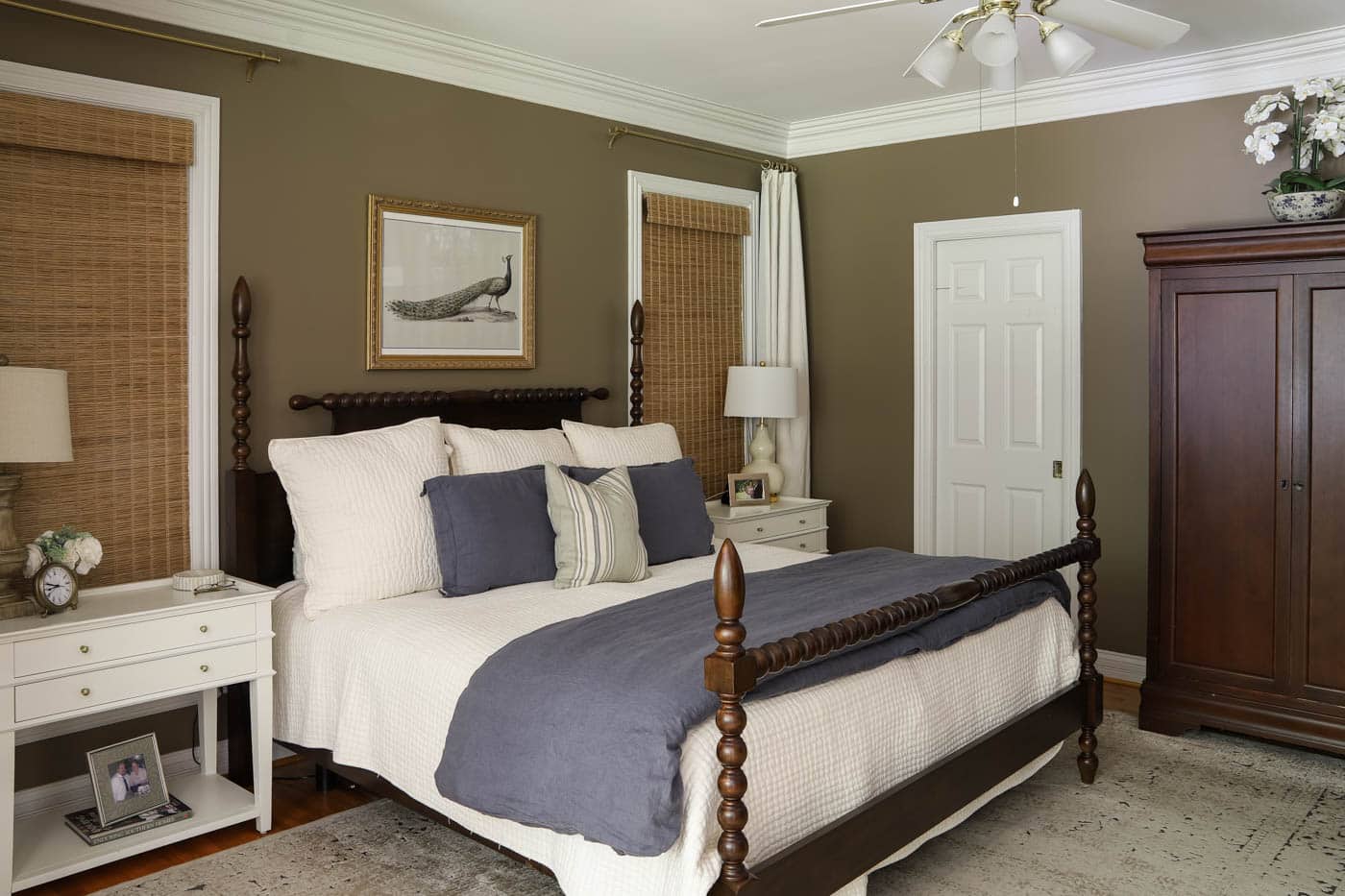
💡Design TIP: Learn how to decorate a room with furnishings first with my How to Design a Mood Board post!
2. Consider Existing Elements
Consider the existing furniture. Even after you’ve gathering a piece of art or rug, you’ll want to also consider existing finishes like the permanent flooring, or countertops if you’re painting a kitchen, laundry room or bathroom. Whatever the undertones of those elements are with need to be considered. Does your countertop need a green or pink undertone paint color? I’ll share more on undertones in a minute.
Consider the existing colors in adjacent rooms. This is what I share in my Whole Home Color Palette post, but essentially you want your home to look like it’s telling the same cohesive story, not a crazy fun house of colors. I repeat colors or color families in my home to make it feel like it all belongs together. I love to create a graphic in Canva of a floor plan (not my exact floor plan) and see how the different colors work together.

And lastly, consider your room’s exposure to natural light. Depending on the number of windows and the direction your room is facing. A quick rundown of things to consider:
- North-facing rooms: cool, gray natural light; paint them warmer colors to keep them from feeling “cold”
- South-facing rooms: warm, yellow natural light, and bright washed-out colors mid-day; cooler colors will balance out the warmth; or embrace the warmth with warmer undertones
- East-facing rooms: white, bright light in the morning and cool, gray light in the afternoons; slightly warm colors work well in these rooms
- West-facing rooms: flat, gray in the morning, and very warm in the afternoons; can go with cool or warm undertones.
Decor Tip: Lightbulbs Matter!
PLEASE, please, please for the love of all things holy, get quality light bulbs in your space. The wrong lightbulb will make you crazy when picking out paint colors. If nothing else, use the SAME light bulbs throughout your home. I’ve shared all of my tips in this light bulb post, but if you don’t have time to read it, just buy these for your lamps and overhead lights and you’ll be light years (pun intended) ahead of your average homeowner.
3. Educate Yourself on Undertones
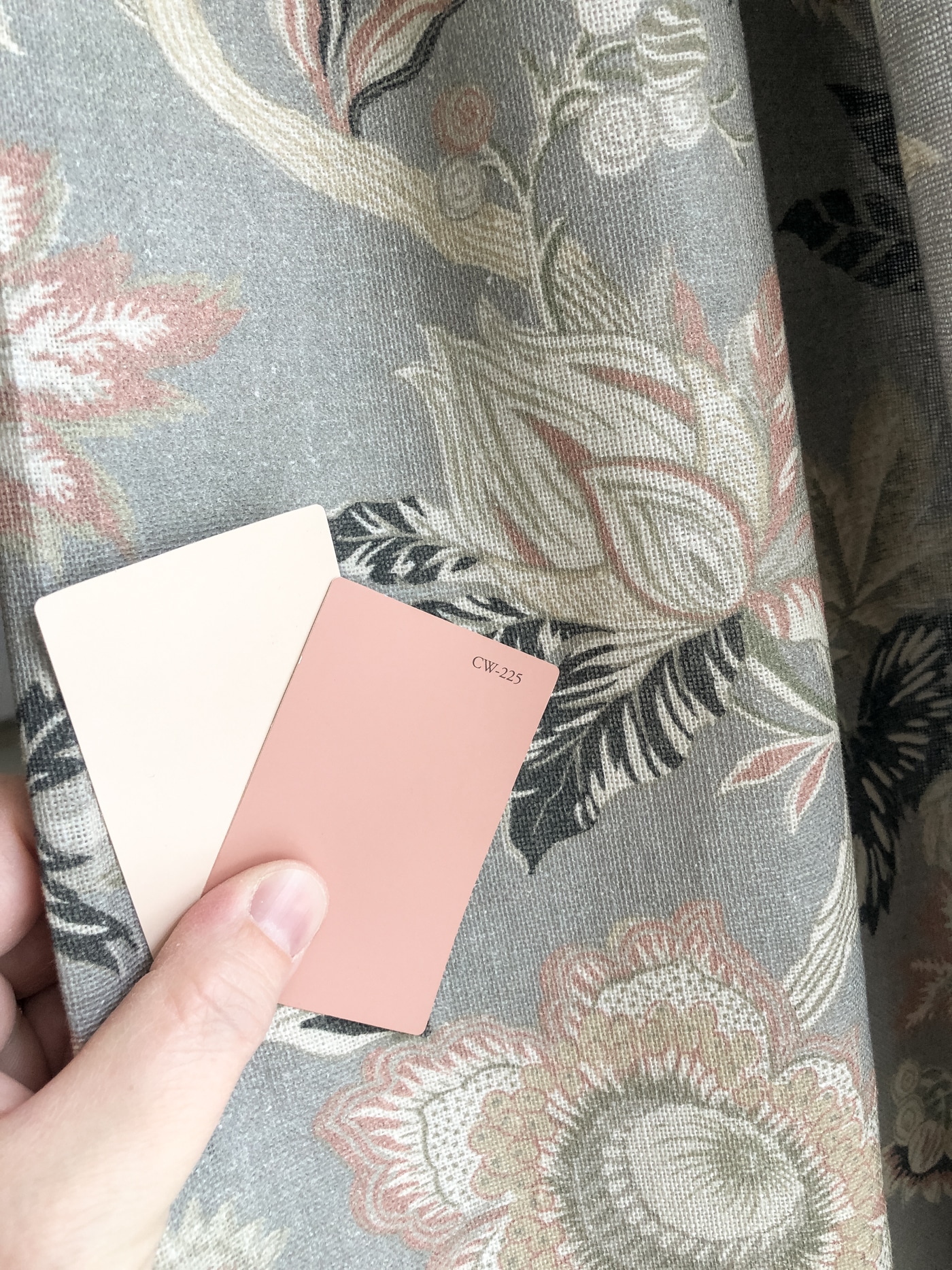
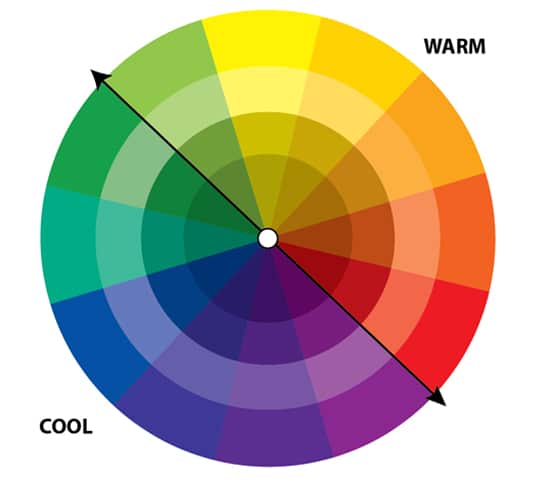
You don’t have to be a master decorator or interior designer to understand some basic undertone knowldge. I’m self-taught, but I can look at a paint color against a white background and see if it reads warm (orange, yellow or red) or cool (green, blue or purple.) These will dictate whether or not your color will read warm or cool. I’m writing a post all about how to understand undertones soon, so stay tuned!
To find the undertone, compare the paint chip you’re thinking about to a sheet of pure white paper. This will get you started on the right path for seeing the correct undertones.
4. Narrow Down Your Color Family
Finally, it’s time to start selecting your colors. Do you see now why if you go straight for the paint colors, you’ll be skipping some very important steps?
Using my Whole Home Color Palette system, choose a color family (or two) that you think will work in the space. In my recent bedroom makeover plan, I chose a dark taupe or brown paint color family by process of elimination, based on the furniture I already have in the room, natural light and paint colors adjoining my room.
5. Research Selected Colors
This is just what I do, but I like to start googling and searching for paint colors on Pinterest and Instagram to see examples of paint colors in the color families I’ve chosen.
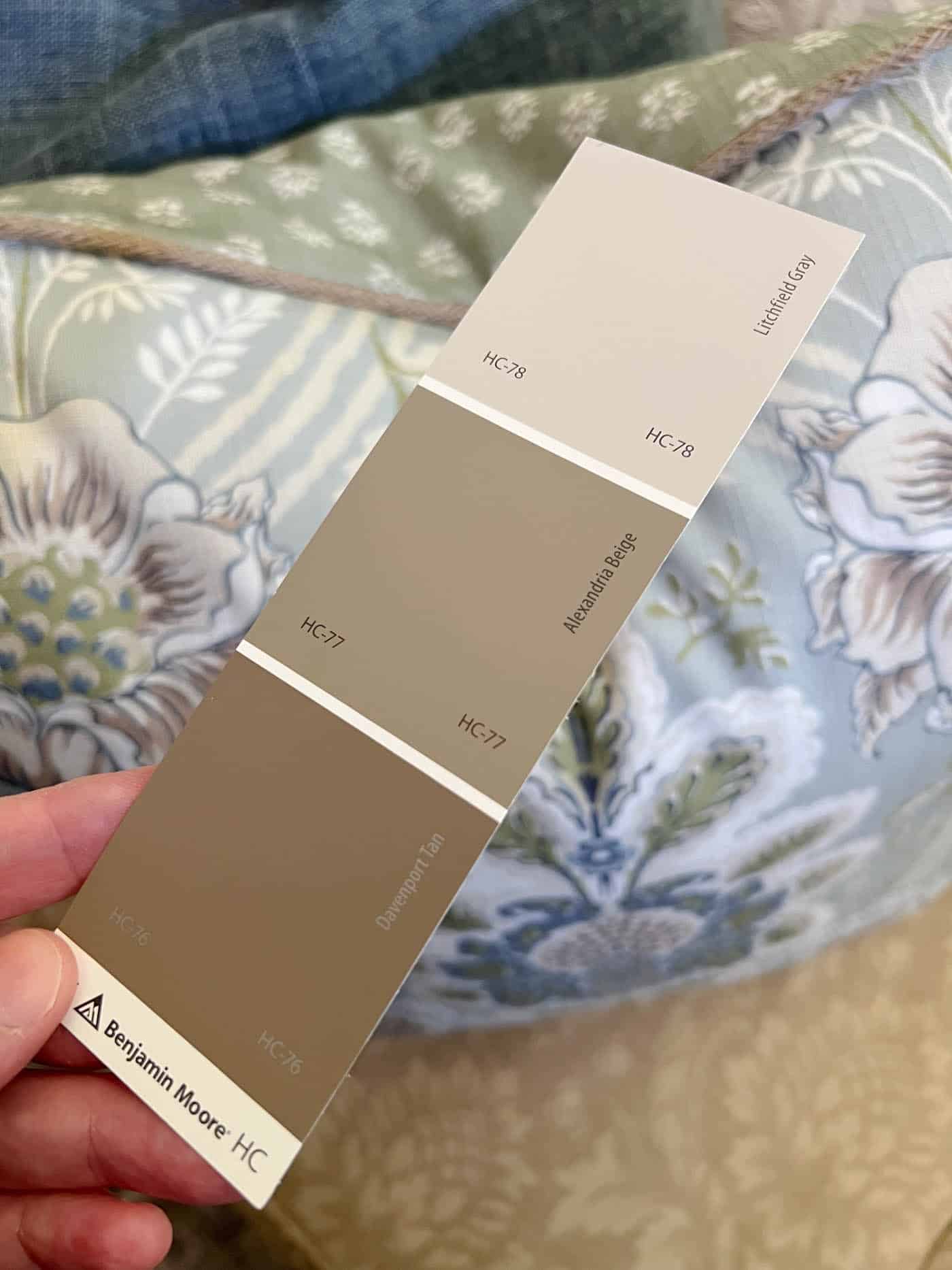
We’ll use my bedroom as an example again. I started to search for “brown bedrooms” and “popular dark taupe paint colors.”
And I made a list of colors that I kept seeing pop up, or colors I liked.
6. Test Samples
Once I had narrow down my selections to 5-10 colors, I order samples from Samplize. I find that these are the easiest and most convenient way to test samples first. You can stick them on the way and move them around during the day to see how the paint colors look in different light. You can also order sample paint pots from the paint store, but they are larger, messier and harder to store for later or dispose of properly.
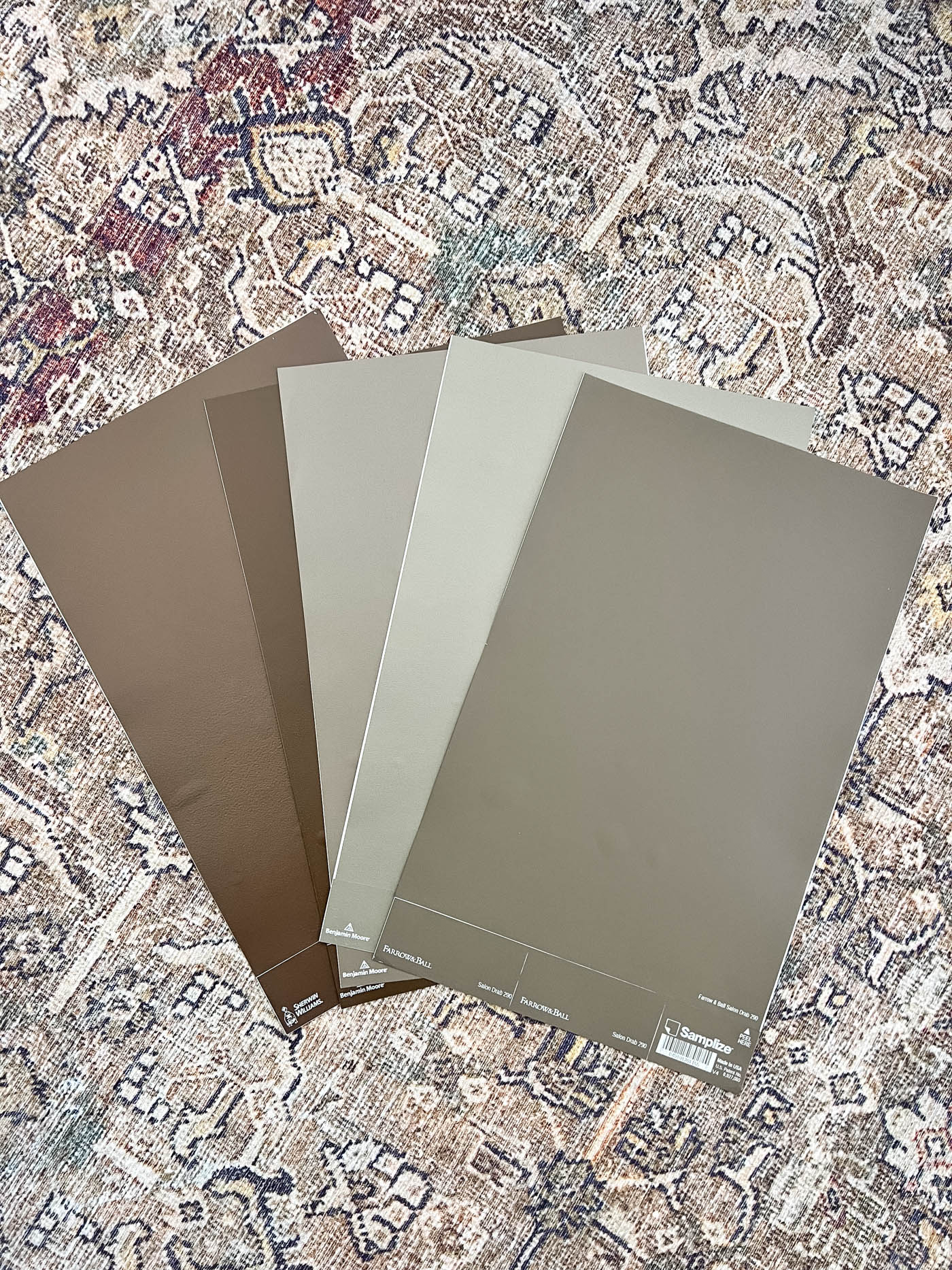
Testing paint samples means going through a few steps:
- Sample the paint on various walls, during different times of the day. I leave my samples on the wall for sometimes days and weeks.
- See how the light plays off the color in natural light and artificial light.
- Test the new color against a white background, like a poster board or white printer paper. This will help neutralize the paint color, so it won’t read off the existing wall color.

Once I’ve sampled several peel and stick samples on the wall, in different lights, over the course of several days, I will then order 1-2 sample paint pots of the color I’m choosing and paint small parts of the wall.
If you are still having a hard time choosing the right color, sit with it for a while and see if you start to lean to one color or another. Ask a friend to come over and help you choose! And sometimes I change my mind even after I’ve selected a color. In the end, it’s just paint and can quickly be changed for the cost of a new gallon of paint!
Final Thoughts
And there you have it, my full process for choosing the perfect paint color without the stress (or regret!). Once you slow down and take it step by step, the whole thing feels so much easier, dare I say, even fun!
Remember, it’s not about rushing to pick a color that looks pretty on Pinterest; it’s about finding one that feels right in your home, with your lighting and your style. I hope this helps you make confident, beautiful choices that make every room feel like home.
More Posts You Will Love: